
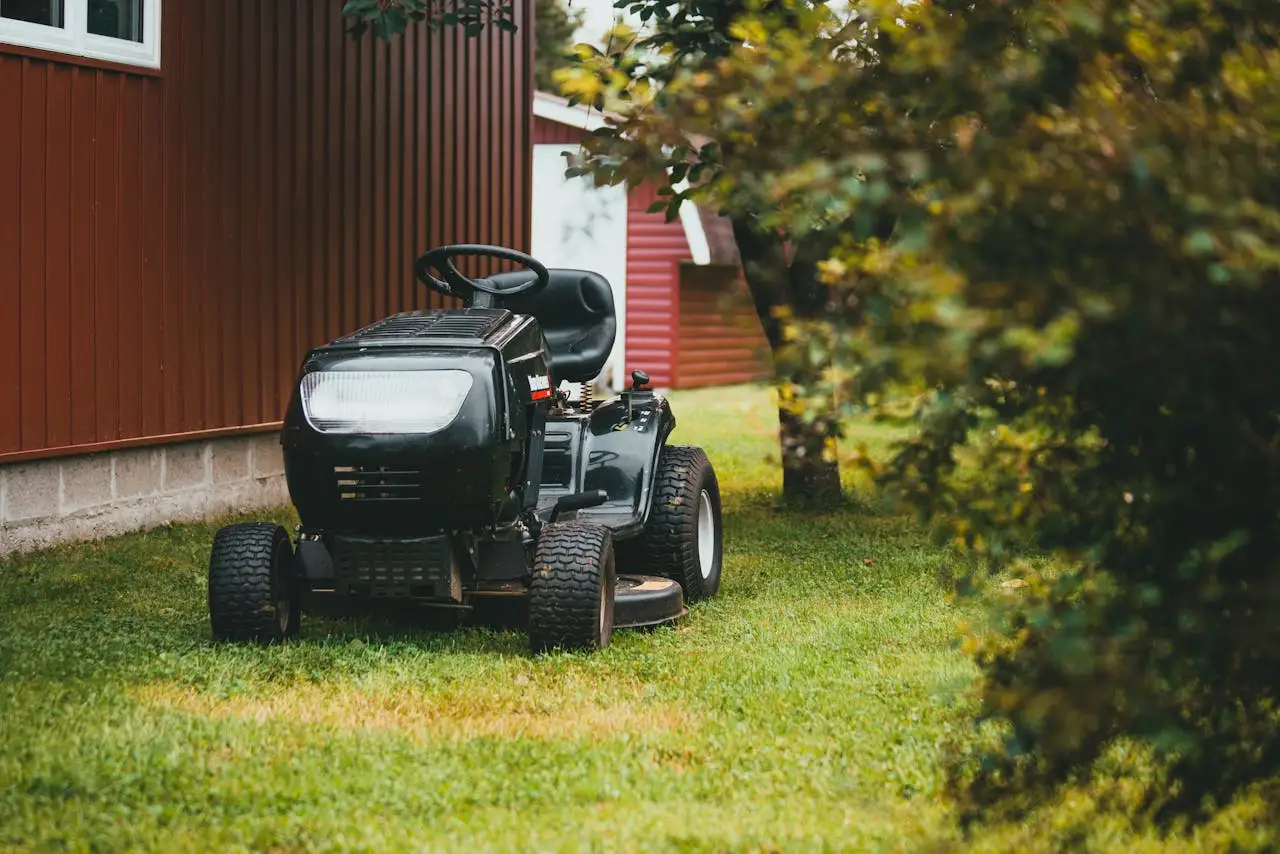
Lawn Care and Maintenance
A thick, green, tidy lawn all year round. We take on the regular maintenance — from mowing and edging to feeding, aeration and protection — so your lawn always looks immaculate, with no effort on your part.
Indicative pricefrom 9 RSD per m² per mow excluding VAT
The final price depends on the area, the condition and accessibility of the site, and how much preparation is needed. The site visit and assessment are free.
How we work
A clear process, from first contact to finished result.
An assessment of the lawn's condition and a care plan suited to your grounds.
Regular mowing to the optimum height and precise edging along borders and paths.
Fertilising, aeration and watering for healthy roots and dense grass cover.
Control of weeds, disease and pests, with the lawn monitored regularly.
Why Verden?
Years of experience and a trained team that can handle any site or project.
Modern machinery and tools for precise, fast and reliable work.
Close attention to detail and to the dates agreed, with a guarantee of quality.
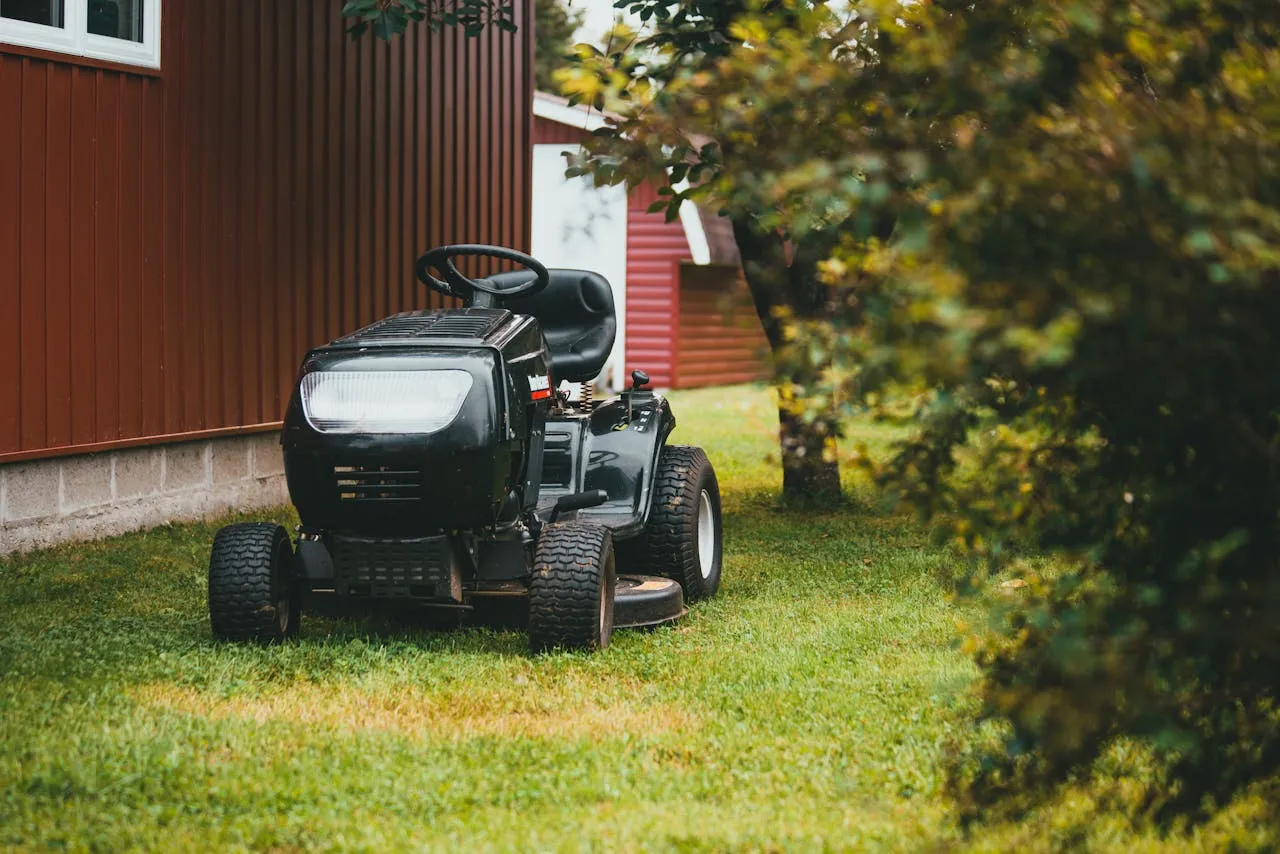
Estimate the cost
Enter the approximate area for an indicative range. We give an exact price only after a site visit, which is free.
The range is indicative and based on the starting rate. The final price depends on ground preparation and condition, access, and the scope of work.
Frequently asked questions
How often should a lawn be mown?
In full season, through spring and early summer, usually once a week; in the dry part of summer, every ten to fifteen days, as the grass grows more slowly. Follow the one-third rule — never take off more than a third of the leaf height at once, because cutting too short weakens the roots and lets weeds in. Under regular maintenance we match mowing to how the grass is actually growing rather than to the calendar.
What height should a lawn be mown to in summer?
In summer the grass should be kept longer than in spring — a longer leaf shades the soil, slows evaporation and protects the roots from overheating. Through July and August we raise the cutting height to six to eight centimetres, whereas four to five centimetres is the spring and autumn height. A lawn cut too short in the summer months is the first to yellow and the quickest to thin out, so as a rule we also leave the finely chopped clippings as mulch, except when the lawn is wet or there are signs of disease.
When should a lawn be fed, and how many times a year?
The basic rhythm is a feed in early spring, as the grass starts into growth, then again through the season, and an autumn feeding weighted towards potassium, which strengthens the roots and prepares the lawn for winter. The type of fertiliser is chosen according to the state of the lawn — a pale green colour and weak growth say one thing, moss and compacted soil something else entirely. Under seasonal maintenance contracts feeding goes hand in hand with aeration and monitoring, so the plan is adjusted as the year goes on.
Why is a lawn thin and full of moss?
Moss is usually the symptom rather than the cause — it appears where the soil is compacted, where water sits, where there is too much shade, or where the lawn has been cut too short for a long time. The remedy starts with aeration and removing the thatch, then feeding and overseeding, along with putting right whatever caused the problem. On site we first assess the condition of the lawn and only then draw up a care plan, because the same symptom in two gardens often has a different cause.
What does regular lawn maintenance include?
Mowing, feeding, aeration and year-round lawn care. The interval is set by growth rather than the calendar, so it shifts through the season — in midsummer one cut every ten to fourteen days can be enough.
How much water does a lawn need each week?
About 25 mm a week in total, rain included, given in two deeper waterings rather than a short daily sprinkle. Water early in the morning, roughly between four and nine, when evaporation is lowest and the blade dries by midday.
When should a lawn be aerated?
In early autumn, and the best moment is the start of September: the soil is still warm, the nights are cooler, and there is enough time before the first frosts in the second half of October for new seed to root. Aeration, overseeding and the autumn feed all happen together then.
Why does a lawn turn yellow in summer?
Most often it is the summer dormancy of cool-season grasses rather than a disease. Dormancy is even, and the base of the blade at soil level stays pale green and firm, whereas drought is patchy and hits high spots, path edges and south-facing areas first.
Do you collect the clippings?
As a rule no — finely chopped clippings fall between the blades, hold moisture in the surface layer and return nutrients to the soil, so the lawn copes better with heat. We collect them when the lawn is overgrown or wet, when leaf disease appears, or when weeds have gone to seed.
Is green waste removal included?
On a regular maintenance contract, green waste removal is included. On one-off visits it is charged separately, because the volume varies a great deal by season and by site.
Do you guarantee that overseeding will take?
On a regular maintenance contract we guarantee the result of overseeding and weed control, because the aftercare is then ours. For one-off overseeding the result depends on watering and weather after we leave.
What does the quality guarantee mean?
It means we carry out the work in the scope and manner agreed beforehand, using the best-quality materials, plants and equipment available to us. It covers how the work is carried out and the quality of what we install. The aim is work done properly and a result you are satisfied with.
Other services
Ready to transform your outdoor space?
Call us or request a free assessment — we reply quickly and come out to see the site.