
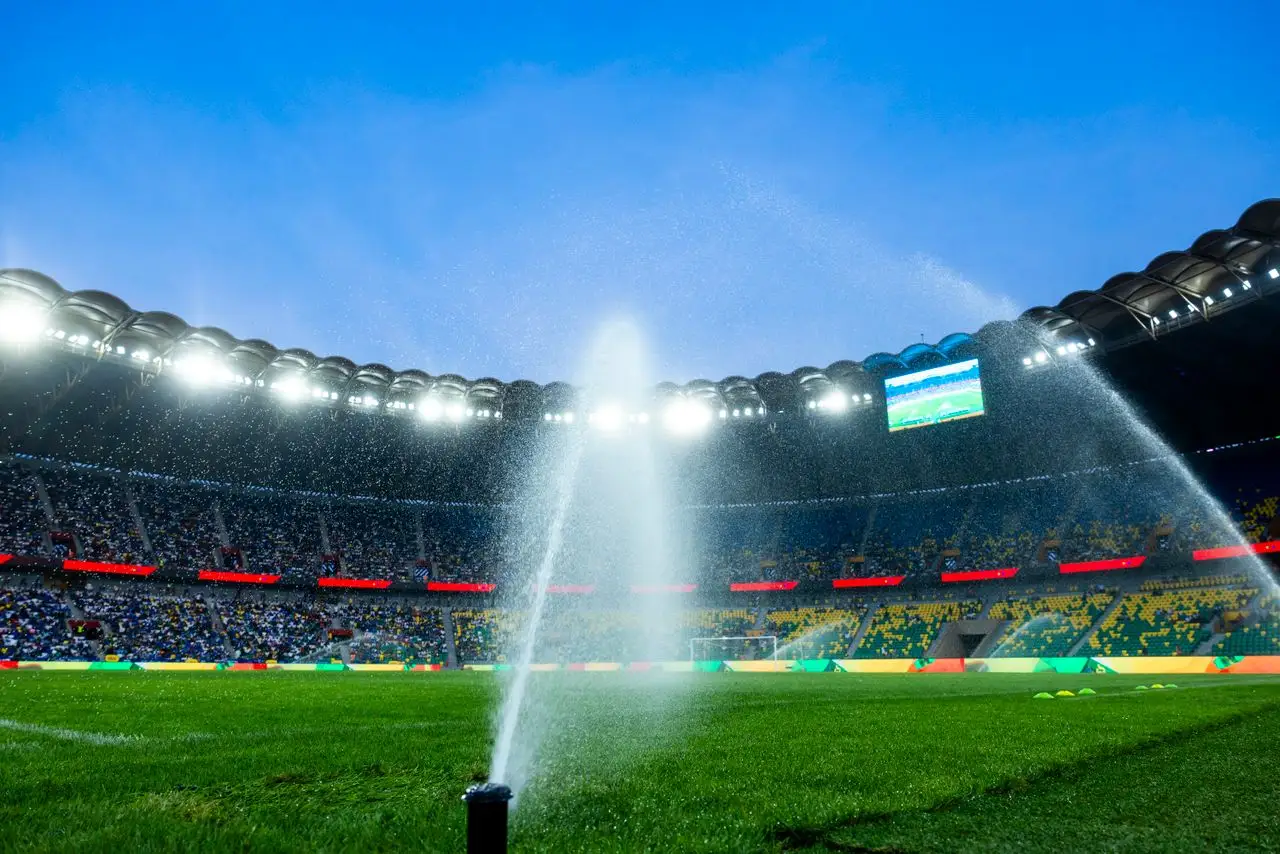
Irrigation Systems
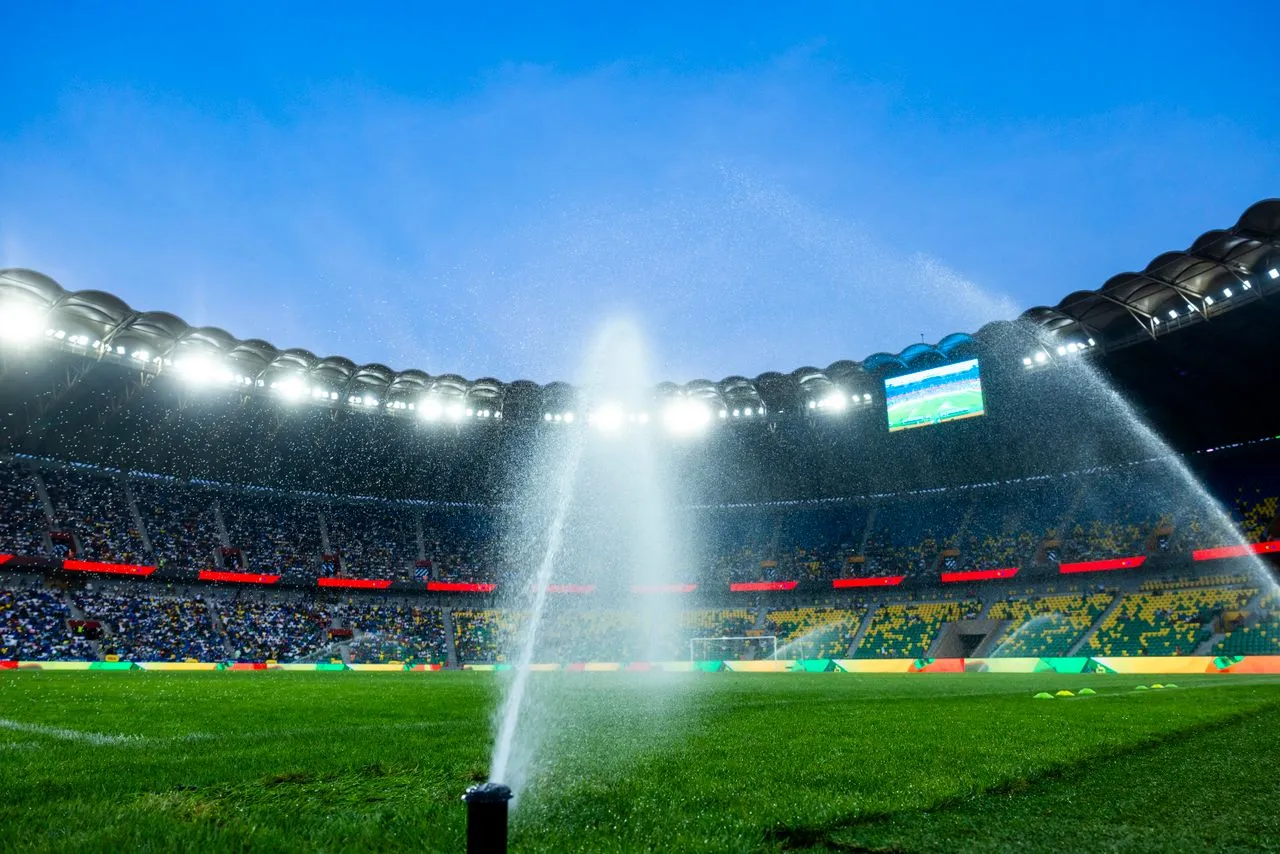
Correct, even watering is the foundation of a healthy lawn and a lush garden. We design and install automatic irrigation systems on a turnkey basis — saving water and time, and keeping your planting healthy and green right through the season.
Indicative pricefrom 3 € per m² excluding VAT
The final price depends on the area, the condition and accessibility of the site, and how much preparation is needed. The site visit and assessment are free.
How we work
A clear process, from first contact to finished result.
Analysis of the site, water pressure and flow, and the needs of the planting zone by zone.
Sprinkler and zone layout to suit the shape and size of the area.
Installation of underground pipework, sprinklers and a programmable controller.
Testing, zoning and final adjustments for even watering.
Why Verden?
Years of experience and a trained team that can handle any site or project.
Modern machinery and tools for precise, fast and reliable work.
Close attention to detail and to the dates agreed, with a guarantee of quality.
Estimate the cost
Enter the approximate area for an indicative range. We give an exact price only after a site visit, which is free.
The range is indicative and based on the starting rate. The final price depends on ground preparation and condition, access, and the scope of work.
Frequently asked questions
How much water does an automatic irrigation system use?
A well-adjusted system will as a rule use less water than watering with a hosepipe, because it delivers water where it is needed, in the early morning, and in measured amounts. In season a lawn generally needs around twenty-five millimetres of water a week in total, rainfall included, and it is better to give that in two deeper waterings than in seven shallow ones. Consumption depends on the type of sprinklers, the zoning and the soil, and fine-tuning the zones is precisely where most of the saving is made.
When is the best time to water a lawn, morning or evening?
Early in the morning, roughly between four and nine o'clock — the wind is light then, evaporation is low, and the leaf dries off by midday. Watering in the evening leaves the grass damp overnight, which encourages fungal disease, while watering at midday wastes the most water. A programmable controller holds to that time without any input from you, and when we install one we set it according to the zones and the soil type.
Can an irrigation system be installed in an existing lawn?
It can. The pipes are laid through narrow slits rather than by digging up the whole surface, so the lawn knits back together within a few weeks and the traces disappear. Before any digging we measure the water pressure and flow, since these determine how many zones the system can have and which sprinklers are suitable. If the lawn is due for renewal anyway, installing before the turf is laid is more straightforward, as the work is done on an open base with no slits to close up afterwards.
How is an irrigation system prepared for winter?
The water has to be cleared out of the installation before the first frosts, usually by blowing it through zone by zone with a compressor, together with closing the main valve and draining the above-ground parts. Since the first frosts in Vojvodina normally arrive in the second half of October, that job is planned for October rather than late autumn. Any water left in the pipes and sprinklers expands as it freezes and cracks precisely the parts that are hardest to replace, so preparing for winter is a standard part of the seasonal maintenance we take on.
How much does an irrigation system cost?
From 3 € per m². The scale of the job depends on the number of zones, the shape of the plot, the pressure at the source, machine access, existing planting and the soil type — so the price is not quoted over the phone, because without measuring the water source any estimate is guesswork. The site visit and assessment are free.
What is measured before an irrigation system is designed?
Pressure and flow at the source. Pressure decides whether a sprinkler will perform as designed at all; flow decides how many can run at once. Mains water in Srem often gives decent pressure, but the flow through an older house connection can be modest.
How many zones does my garden need?
A zone is a group of sprinklers that runs together on one solenoid valve, and the number of zones is set first by the available flow — how many heads the water can feed at once. Zones are also separated by watering logic: sun and shade, level ground and slope, lawn and planting.
Can I use a well instead of mains water?
You can, but a well with a pressure vessel is a different matter — the well's yield has to be assessed too, because a pump cannot draw more water than is there. That is why the measuring is always done on site: skipped, it produces a system that works on paper while the sprinklers fall short in the garden.
Why are sprinklers set so close together?
Because each sprinkler's throw has to reach the next one. Without that overlap, dry strips are left between heads — the first thing to show as yellow patches in summer — so closer spacing is not waste but the condition for even watering.
What does seasonal irrigation maintenance involve?
Once a month each zone is run manually and watched while it works, the filters and the screens under the nozzles are rinsed, and the schedule is adjusted to the weather. Before the first frosts, in the second half of October, the system is drained by blowing it out zone by zone with a compressor.
What is included in the 3 € per m² price?
Design, equipment and installation are all included — a turnkey system. The price excludes VAT, and the final figure depends on the number of zones, the shape of the plot, the pressure at the source and machine access.
What warranty do you give on an irrigation system?
We give a two-year warranty on the installation work itself. The equipment carries the manufacturer's own warranty — we install Rain Bird equipment.
Do you restore the lawn after trenching?
Yes, that is part of the job. Pipes are laid through narrow slits rather than by digging up the whole surface, the slits are closed, and within a few weeks the lawn knits back together so the traces disappear.
How many days does an irrigation installation take?
For a typical family garden the installation takes three to five days, depending on the number of zones, the state of the ground and machine access.
Is winterising the system charged for?
In the first year after installation, blowing the system out is included. In later seasons it is charged, unless it forms part of a seasonal maintenance contract.
How quickly do you respond to a breakdown mid-season?
A fault reported during the season is dealt with within the same week, prioritised by severity — a system that has stopped entirely comes before a single nozzle throwing badly.
What does the quality guarantee mean?
It means we carry out the work in the scope and manner agreed beforehand, using the best-quality materials, plants and equipment available to us. It covers how the work is carried out and the quality of what we install. The aim is work done properly and a result you are satisfied with.
Other services
Ready to transform your outdoor space?
Call us or request a free assessment — we reply quickly and come out to see the site.